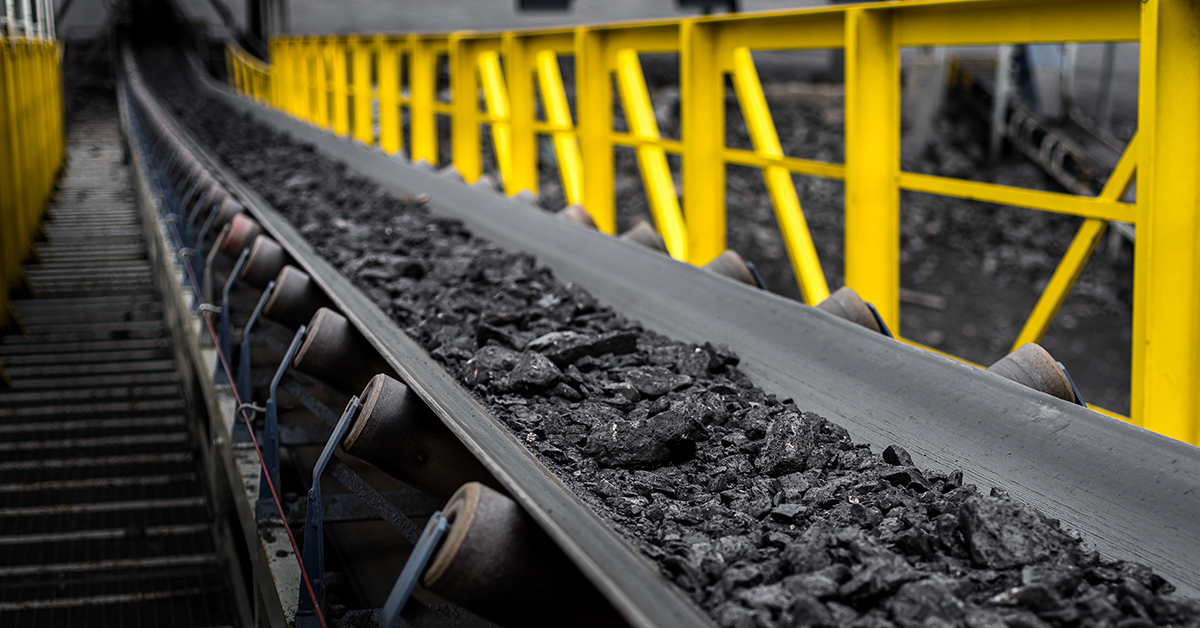
From rugged equipment selection to preventative maintenance, mining operators have a lot to consider.
In the mining and aggregate industries, drive systems power critical processes like crushing, grinding, and material handling under extreme loads and harsh conditions. Because equipment runs continuously and failures can stop production, heavy-duty, application-engineered drive solutions are essential for reliability and uptime.
SEW-EURODRIVE’s Heavy Industry Gearing Application Engineer, Ashley Elliott, discusses several considerations every operator must consider for system efficiency and reliability.
What makes mining and aggregates applications uniquely demanding?
The most common challenges that we see operators share are:
-
High torque requirements
-
Constant exposure to dust, debris, and moisture
-
Shock loading and vibration
-
24/7 operation cycles
-
Remote locations with limited maintenance access
Standard industrial gear units aren’t built for mining. What works in controlled environments can quickly fail under shock loads, abrasive dust, extreme temperatures, and nonstop heavy-duty operation.
Mining demands reinforced housings, higher thermal capacity, heavy-load bearings, and sealing systems designed for harsh conditions. In these applications, the gearbox has to be purpose-built and not standard.
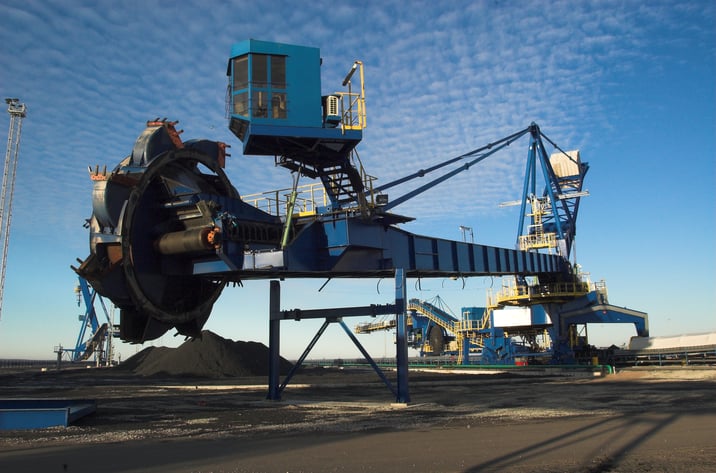
What types of drive solutions are commonly used in these industries?
Our mining and aggregates engineers typically design solutions using four components:
-
Parallel-shaft and right-angle gear units for conveyors and bucket elevators
-
Planetary gear units for compact, high-torque applications like apron feeders, crushers, and mills
-
Integrated drive packages combining gear units, motors, couplings, and steel mounting structures
-
Large girth gears for rotary kilns, dryers, and grinding mills
Modern systems are built with modularity in mind. That means more flexibility in how they’re mounted, smoother integration into existing equipment, and faster, simpler repairs when it matters most.
How is predictive maintenance changing mining operations?
Sensor-based monitoring has taken predictive maintenance to another level, giving operators the ability to manage assets like never before with:
-
Temperature (e.g. ambient environment, bearings, and oil sump)
-
Vibration (to monitor bearings and gearing health)
-
Oil condition (e.g. oil level, calculated remaining oil life, and oil viscosity)
-
Torque and load behavior
By identifying potential issues before failure occurs, operators can schedule maintenance proactively, reduce unexpected downtime, and extend equipment life. Industrial IoT platforms are increasingly being integrated into heavy-duty gear systems to support this data-driven approach.
What role does customization play in drive system selection?
No two mining operations are exactly alike. Ore type, throughput, climate, and layout all play a part in demands on the drive system. That’s why modular, configurable solutions matter. With the right engineering support and application know-how, these systems can be properly sized and tailored to the job to deliver the performance and long-term reliability operations depend on.
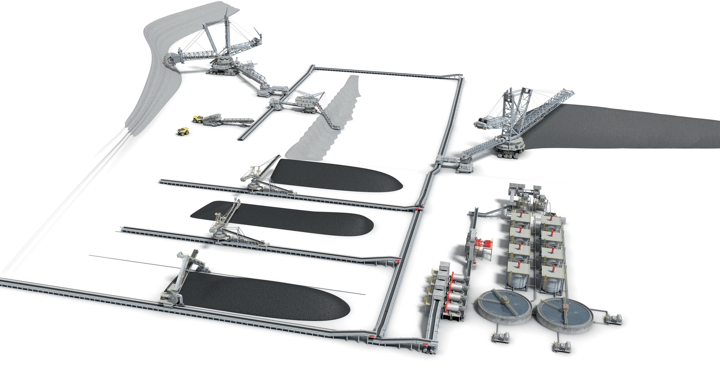
What trends are shaping the future of mining and aggregates drive systems?
Several key trends our team sees are:
-
Greater focus on uptime and total cost of ownership
-
Increased adoption of predictive maintenance and IoT monitoring
-
Modular, easier-to-maintain large gear components
-
More energy-efficient drive systems
-
Improved safety through smarter diagnostics and remote monitoring
As mining operations strive for higher productivity and sustainability, drive systems are evolving from simple mechanical components into integrated, intelligent power transmission solutions.
What should operators look for in a drive technology partner?
Beyond the product itself, mining and aggregates operators should consider:
-
Application engineering support
-
Local assembly and service capabilities
-
Availability of spare parts
-
Condition monitoring and digital services
-
Proven experience in heavy industry
A strong support network helps reduce lifecycle costs and ensures a fast response when maintenance is required.
 About the Expert
Ashley Elliott holds a B.S. in Aerospace Engineering from Wichita State University. He currently works as a Heavy Industry Gearing Application Engineer for SEW-EURODRIVE, serving as a technical expert for quoting and order execution with extensive experience supporting the mining industry, particularly with kiln and cooler drive applications.