
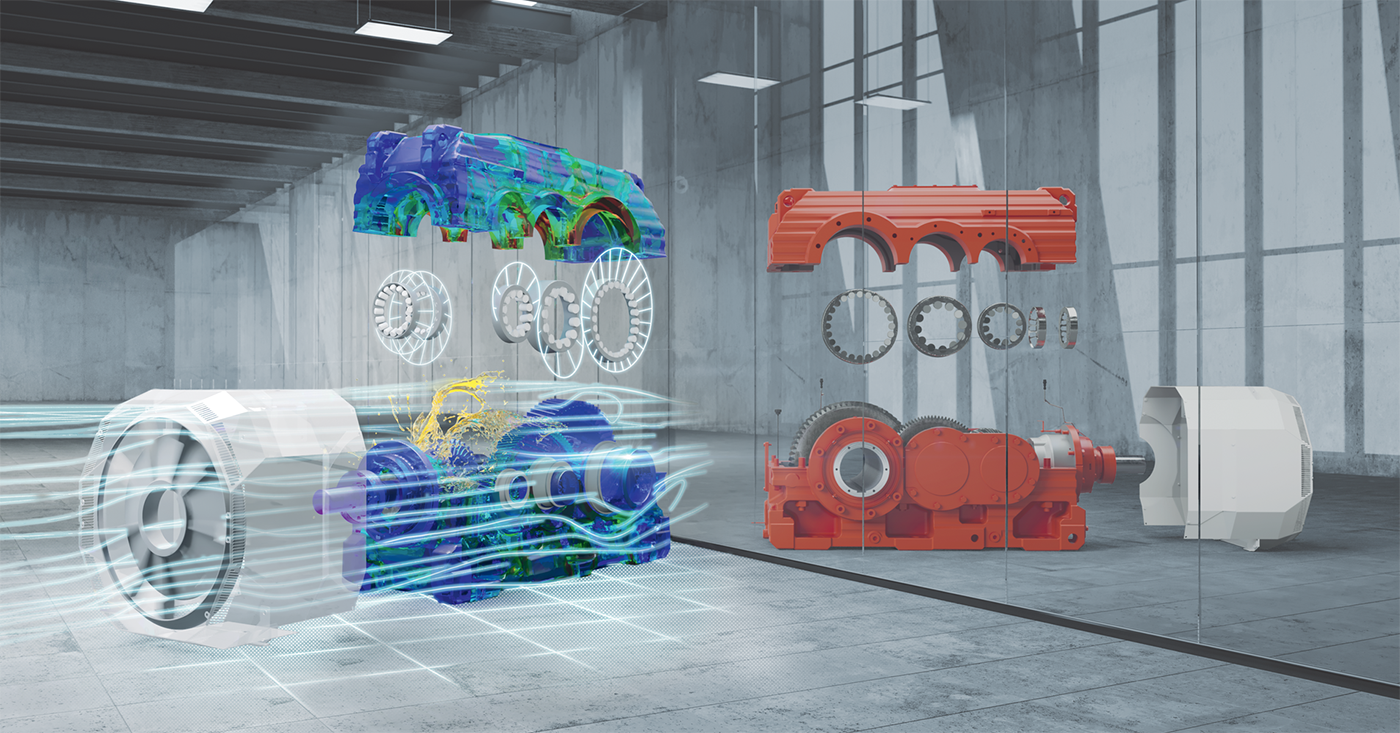

Understanding how heat impacts gearbox life, oil performance, and uptime.
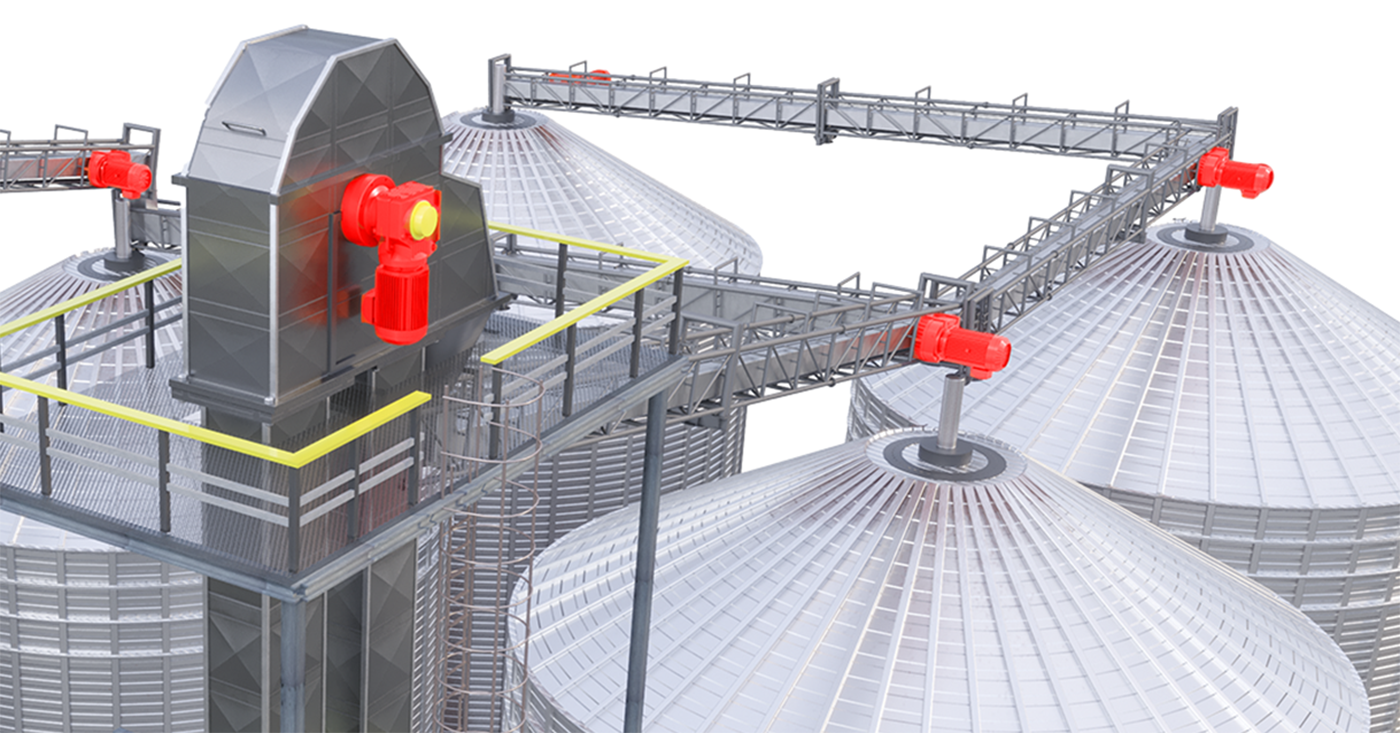
In grain handling systems, gearboxes are often selected based on torque and speed requirements. But in agricultural environments, thermal performance can be just as critical. High ambient temperatures, long run times, dusty conditions, and compact installations all contribute to heat buildup that can shorten oil life, accelerate wear, and increase the risk of unplanned downtime.
To shed light on these challenges, we spoke with Austin Burdette, Product & Business Development Manager for Heavy Industry Gearing at SEW-EURODRIVE, about common thermal issues in grain applications—and how proper gearbox selection and thermal management can extend equipment life.
Why is thermal performance so important in grain handling gearboxes?
Austin Burdette: In grain handling, gearboxes must do more than transmit torque—they also have to manage heat. As gearboxes and motors increase in power, heat generation rises quickly, but the ability to dissipate that heat doesn’t scale at the same rate.
Modern gearboxes are also more compact, which reduces surface area and makes natural cooling less effective. Think of it like trying to cool a large engine with a small fan. Without additional thermal measures, heat can build up faster than it can be removed.
To address this, gearboxes can be equipped with thermal enhancements such as shaft-mounted fans, auxiliary motor-driven fans, internal water-cooling coils, or external oil coolers.
What happens if a gearbox is thermally overloaded?
Austin Burdette: When a gearbox operates beyond its thermal rating, the lubricating oil is exposed to excessive temperatures. In mild cases, this shortens oil life and forces more frequent oil changes. In severe cases, the oil can degrade completely, losing viscosity and film strength.
That leads to metal-to-metal contact between gear teeth and bearings, which can result in seal failure, bearing seizure, gear damage, or even catastrophic gearbox failure.
What are the most common thermal challenges in agricultural and grain applications?
Austin Burdette: Several factors can negatively impact thermal performance in grain handling systems:
-
Direct sunlight: High solar exposure can significantly reduce thermal capacity.
-
Low ambient airflow: Poor ventilation limits convective cooling.
-
Nearby heat sources: Furnaces, kilns, or other hot equipment raise ambient temperatures.
-
Fan rotation direction: Changes in shaft rotation on incline conveyors or bucket elevators may require fan or backstop repositioning.
-
Dusty environments: Grain dust can clog air filters or coat heat exchangers, reducing cooling efficiency.
-
High speeds and low ratios: Increased churning losses and bearing heat generation raise operating temperatures.
-
Improper lubrication: Using non-approved oils, incorrect oil levels, or contaminated oil accelerates thermal issues.
How should gearboxes be sized for thermal capacity, not just torque?
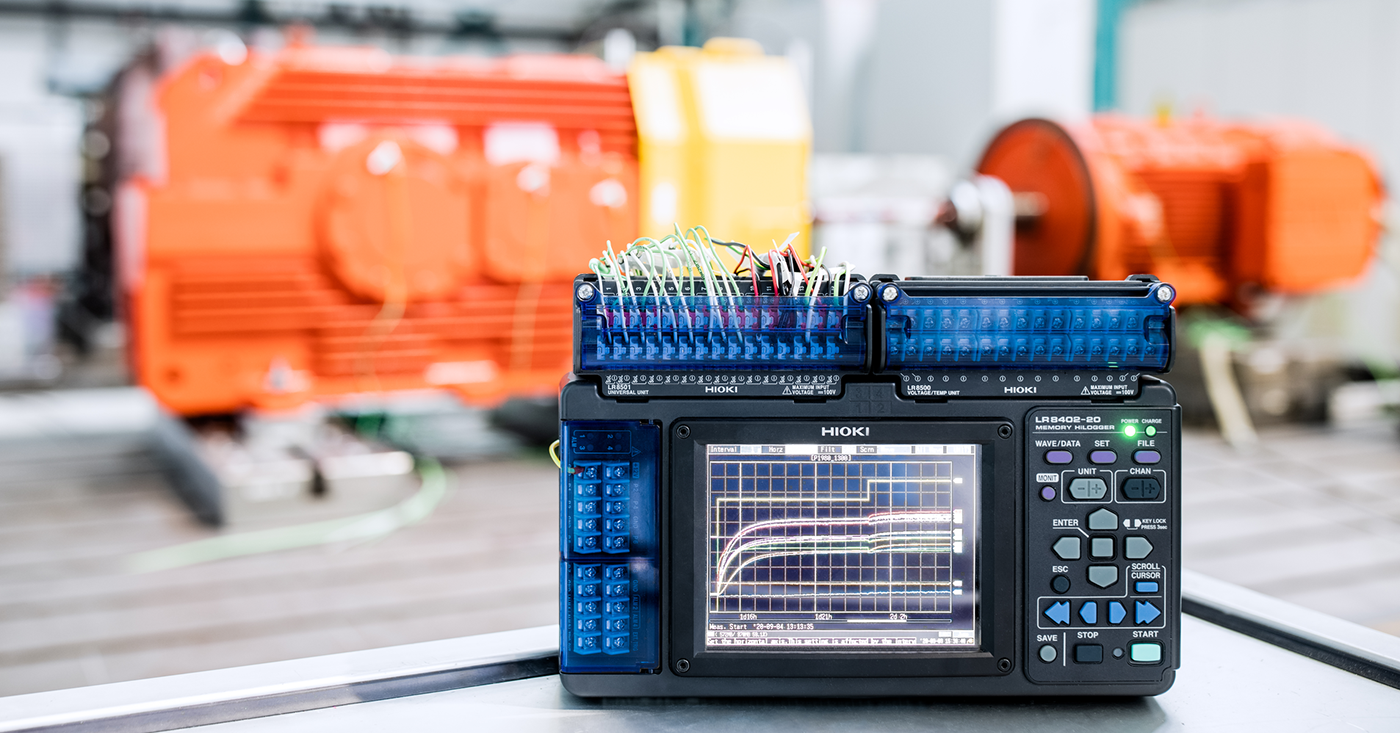
Austin Burdette: Proper thermal sizing starts with ensuring the gearbox can dissipate more heat than it absorbs. This can be done using catalog thermal ratings with correction factors, but the most accurate approach is through SEW-EURODRIVE’s internal thermal calculation tools.These tools rely on validated simulations, but the results are only as good as the input data. That’s why our engineers work closely with customers to collect details like duty cycle, ambient temperature, mounting position, and operating power. The goal is to ensure the gearbox is sized correctly for both mechanical and thermal performance.
What options are available if a gearbox’s thermal rating is too low?
Austin Burdette: SEW-EURODRIVE offers several ways to increase thermal capacity:
-
Shaft-mounted fans (radial, diagonal, or axial)
-
Motor-driven auxiliary fans with dedicated fan motors
-
Internal water-cooling coils for high-temperature environments
-
External heat exchangers, either oil-to-air or oil-to-water
Each option has specific application considerations, such as airflow, cleanliness, and consistency of water supply.
How does thermal management support predictive maintenance?
Austin Burdette: Predictive maintenance models are only accurate if the gearbox operates within its expected thermal range. Excess heat accelerates oil breakdown and wear, which shortens component life and increases failure risk.
By understanding and controlling thermal conditions, predictive maintenance becomes a reliable tool. It allows operators to plan service intervals, reduce unplanned downtime, and extend gearbox life with confidence.
Any final advice for grain handling operators and engineers?
Austin Burdette: SEW-EURODRIVE has nearly 100 years of gearing expertise and a global network of specialists ready to help. Thermal performance is often overlooked, but addressing it early can prevent major issues down the line. Don’t hesitate to involve engineering support when evaluating or upgrading drive systems.
 About the Expert
Austin Burdette is the Product & Business Development Manager for Heavy Industry Gearing at SEW-EURODRIVE USA. He holds a B.S. in Mechanical Engineering from Clemson University and brings a strong technical background in power transmission and industrial drive systems.
